


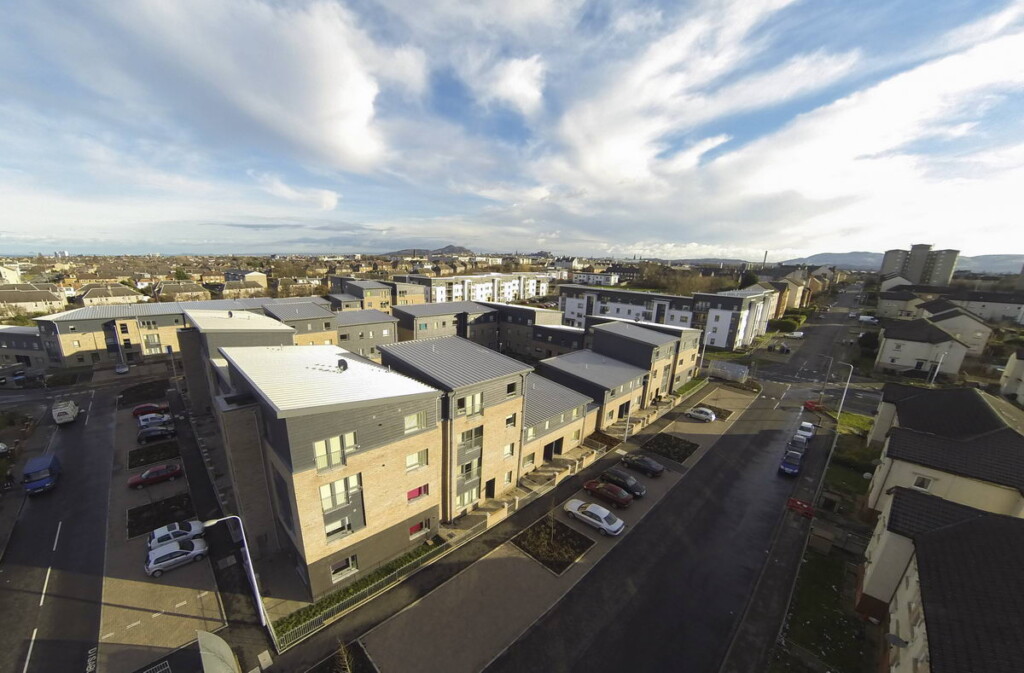
Drones are hardly ever out of the news these days, usually for all the wrong reasons. As more and more people acquire them you get the unavoidable minority who abuse them and put other people at risk.
Commercial Airline Pilots are particularly worried about them at the moment after frequent near misses when taking off or landing at airports.
Although currently legislation allows anyone to buy and operate one, if you want to operate one commercially (defined as for commercial gain) then you need a licence from the Civil Aviation Authority (CAA) to operate one. This is known as a Permission for Aerial Work.
In the early days of drones many people operated them commercially without training or a license often with dangerous consequences. Thankfully now clients are becoming more aware that if they commission a company to undertake aerial photography or video they need to hire a licensed operator who has undergone all the appropriate training and is full insured.
The process is quite an exhaustive one. First you have to sit a theory exam so you understand the basics of air law, how airspace operates, legislation covering drones and also how drones operate. The official terms are actually a UAV (Unmanned Aerial Vehicle) or UAS (Unmanned Aerial System) but ‘Drone’ appears to be the term which is commonly understood by the general public.
After you have passed the theory exam (which has a pass mark of 90%), you then have to write an operations manual for how you intend to operate your particular drone. When that has been approved by the CAA you then sit a flight exam so show you are competent in the operation of your drone. When you have passing that you are awarded your pilot’s license by your examining body before the whole submission is made to the CAA for final approval. Then, after receiving a Permission for Aerial Work, Pilots have to keep a log of all their flights and submit for review once a year.
When I first undertook this process, it seemed a little over the top but as you go through the training you understand the importance of keeping yourself, the public, clients and the environment around you safe. Most drones may appear fairly harmless but basically you’ve got about 1KG of plastic and metal with 4 rotors turning at a few thousand RPM that could drop out of the sky at any time and potentially hit something or someone.
In practice that rarely happens but risk assessment is all about planning for these rare occasions when something does go wrong. If it does and you are prepared for that eventuality then nothing will be damaged and more importantly no-one will get injured.
Having successfully operated a UAV (Drone) for many years now producing aerial photography and video for a number of clients, we’ve built up a wealth of experience in identifying and mitigating potential risks. As well as producing stunning images for delighted clients we’re also glad to say that we’ve managed to do so without any crashes or incidents.
If you are thinking about aerial photography or video and would like to chat about what it involves and the project you have in mind then please feel free to drop us an email or call us on 0141 363 0013.